Home / Dog breeds / Mudi
Mudi breed guide
American Kennel Club (AKC) calls the Mudi an extremely versatile, intelligent, alert, agile, all-purpose Hungarian farm dog. Its courage suits it to the most stubborn livestock. It protects property and family without being overly aggressive.
A medium-sized herder in existence since the 19th century, it is said to have evolved naturally from crosses of the Puli, Pumi and German Spitz.
- Height
- 15 to 18.5 inches
- Weight
- 18 to 29 pounds
- AKC group
- Herding Group
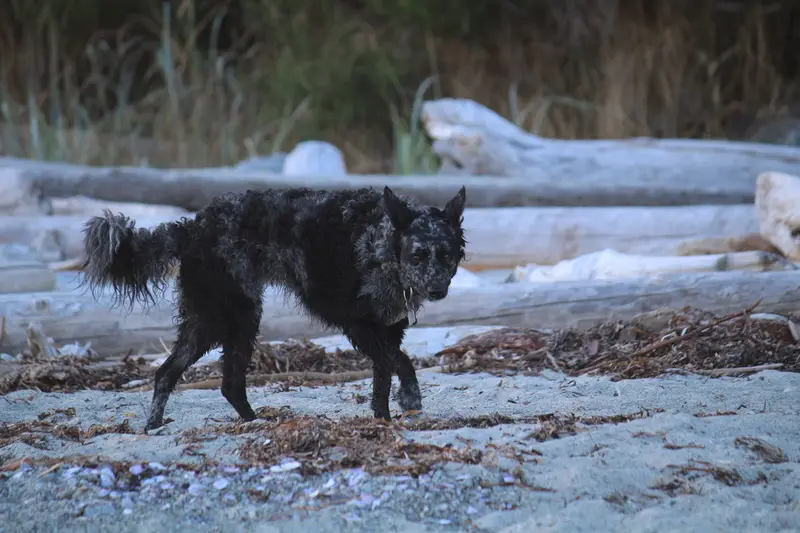
Mudi temperament
The Mudi is vocal, alert, energetic, intelligent, biddable and adaptable. It is always enthusiastic about any job, which makes it very trainable and eager to please. AKC adds that it is sensibly suspicious and an excellent watchdog.
Though calm and relaxed in the house, once outside it appreciates a good run. It excels at flyball, obedience, herding and frisbee.
Mudi lifespan
Mudis live 12 to 14 years. AKC describes the breed as healthy overall. The Mudi Club of America recommends the testing listed on the CHIC website. Responsible breeders screen their stock.
Mudi care
The Mudi is an easily cared-for wash-and-wear breed: occasional baths, a combing or brushing to remove dead hair and regular nail care are sufficient.
Playful and sometimes mischievous, particularly about digging, Mudis are also noted for extraordinary jumping.
Mudi history
The Magyars kept sheepdogs from around the end of the ninth century, but pedigree breeding and classification started only in the second half of the 19th century. Hungarian sheepdogs were simply divided into large and small, so the early history of the Mudi is much like that of the Pumi and the Puli.
Around 1930 Dr. Dezso Fenyes, director of the museum in Balassagyarmat, was one of the first breeders to work with the breed. AKC estimates no more than a few thousand Mudi exist worldwide, mostly in Hungary and Finland.
AKC trait ratings
| Trait | AKC rating | Scale |
|---|---|---|
| Energy Level | 5 of 5 | Couch Potato to High Energy |
| Trainability Level | 5 of 5 | Self-Willed to Eager to Please |
| Shedding Level | 2 of 5 | No Shedding to Hair Everywhere |
| Barking Level | 4 of 5 | Only To Alert to Very Vocal |
| Adaptability Level | 4 of 5 | Lives For Routine to Highly Adaptable |
| Good With Young Children | 3 of 5 | Not Recommended to Good With Children |
| Good With Other Dogs | 3 of 5 | Not Recommended to Good With Other Dogs |
| Watchdog/Protective Nature | 4 of 5 | What's Mine Is Yours to Vigilant |
More Herding Group guides
Sources
Photos via Wikimedia Commons: Mudi by Qwexcxewq, CC BY 4.0
