Home / Cat breeds / Manx
Manx breed guide
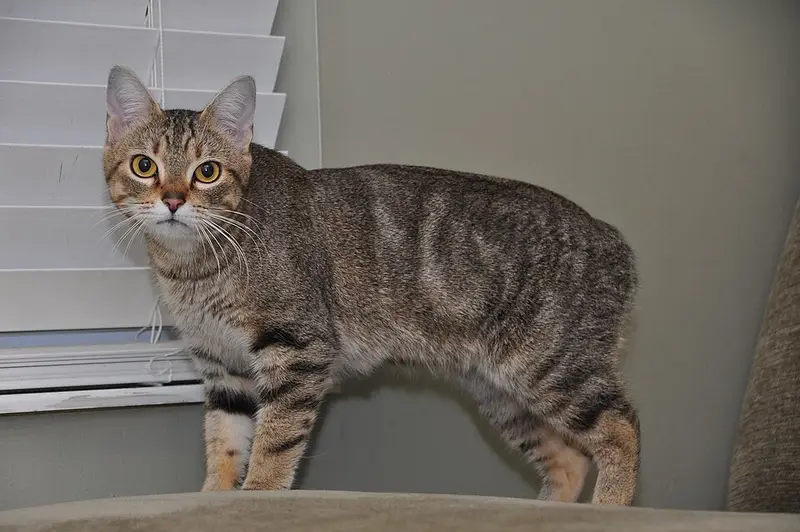
Cat Fanciers' Association (CFA) says a Manx in repose is so round and cobby that it is jokingly called a bowling ball with fur and that bowling balls roll.
The tailless cat originated on the Isle of Man, where visiting sailors first recorded it in the sixteenth century.
- Coat length
- Longhair and Shorthair
- CFA personality
- Quiet and gentle
- Average male weight
- 10 to 12 pounds
Manx temperament
Affectionate and intelligent, Manx attach to one or two family members so strongly that newcomers may take a while to be accepted. They get along with dogs and other pets, cats included and do very well with children of all ages.
A Manx held too tightly by a child will most likely squirm free with its powerful back legs and escape instead of responding aggressively.
Manx personality
Quiet and gentle most of the time, Manx have a slightly purr-verse streak that can send them chasing invisible objects at 10 p.m. They play fetch, which earns the label doglike and politely bring you an object to throw.
Talkative but not loud, they tell you about their day in chirps, trills, purrs and head bumps.
Manx care
Regular grooming controls shedding and the coat does not tend to mat. Longhairs want a weekly combing with a wide-toothed comb, with attention to the areas under the legs and on the sides of the face where mats start.
Shorthairs need a comb or brush two or three times a month and regular bathing is needed only for show cats.
Manx health
CFA advises asking about Manx syndrome in the lines, a set of problems involving the hind legs, urinary bladder and colon of a tailless cat. It usually appears before kittens reach four months, so breeders may wait to place kittens until their health is assured.
Testing, monitoring and the regular use of tailed Manx in breeding programs help keep the gene pool healthy and diverse.
Manx history
CFA doubts the story that the Manx lost its tail to the closing door of Noah's Ark and points to a mutation in the island's native shorthair cats instead, an incomplete dominant gene that spread through the population. The longhair gene probably arrived during the long Viking rule, when ancestors of today's Norwegian Forest Cats mingled with the native cats.
Manx appeared at the first cat shows in Great Britain and were included when CFA began registering cats in 1906.
More cat breed guides
Sources
Photos via Wikimedia Commons: Manx by Michelle Weigold, CC BY-SA 4.0
